1. Document Introduction
Slewing bearing, commonly called turntable in construction industry, is the core component for load bearing and rotation of excavators. Its replacement and maintenance cost is relatively high. Failures such as raceway corrosion, gear ring abrasion, seal damage and bolt fracture will force machine shutdown and delay construction schedules. Combined with practical on-site construction experience, this document lists standard daily maintenance rules and common operation errors, for machine operators, maintenance teams and equipment managers to follow. Standardized operation can extend the service life of slewing bearings and cut maintenance losses.
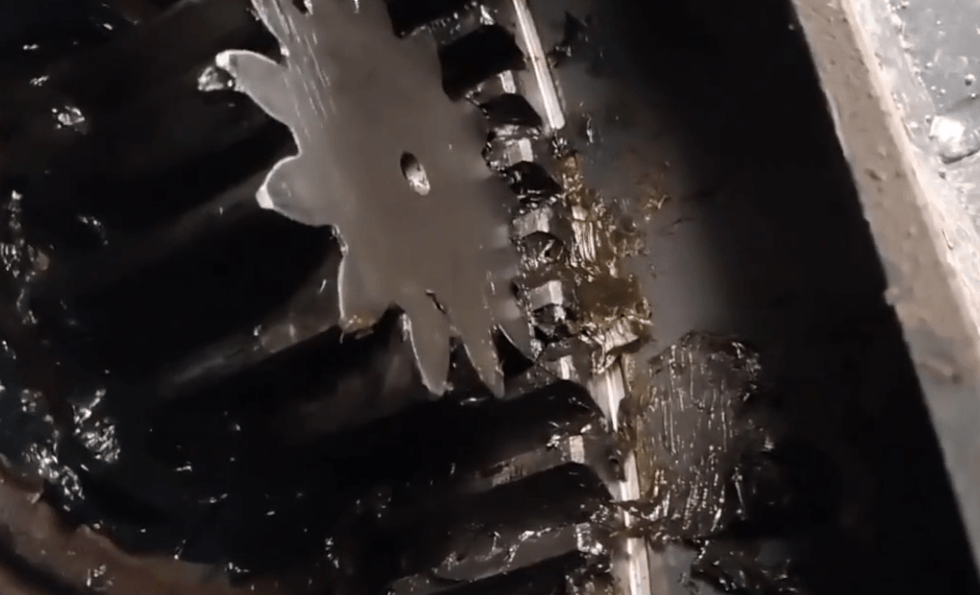
2. Five Basic Maintenance Standards for Slewing Bearings
2.1 Control Grease Injection Volume, Avoid Over-lubrication
Many operators tend to inject excessive grease for better protection, but this practice brings more harm than benefits. Excessive grease will continuously squeeze inner and outer dust seals. After long-term extrusion, rubber seals crack, allowing mud and rainwater to seep into raceways and cause rust and abrasion on steel balls and race surfaces.
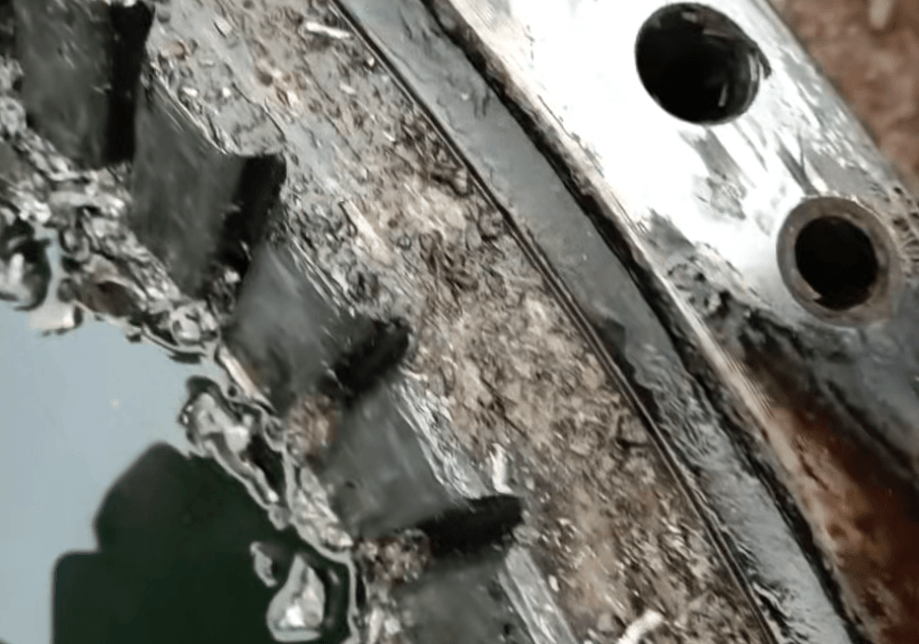
Standard operation: Inject grease according to the maintenance cycle specified by the machine manual. Rotate the turntable slowly while filling grease, and stop filling once new grease evenly flows out from the joint gap. Wipe off excess overflow grease completely instead of continuous filling.
2.2 Take Anti-water Accumulation Measures during Operation & Storage
Rainwater and cleaning water trapped inside slewing bearings will form rust spots on raceways and steel balls, which will develop into pits and peeling, leading to jamming and abnormal noise during rotation.
Park the machine on flat ground to prevent water accumulation on one side of the turntable. After daily work, clear mud and water accumulated in turntable gaps, and dredge drain passages to avoid long-term water retention inside components.
2.3 Inspect Sealing Condition Before Daily Work
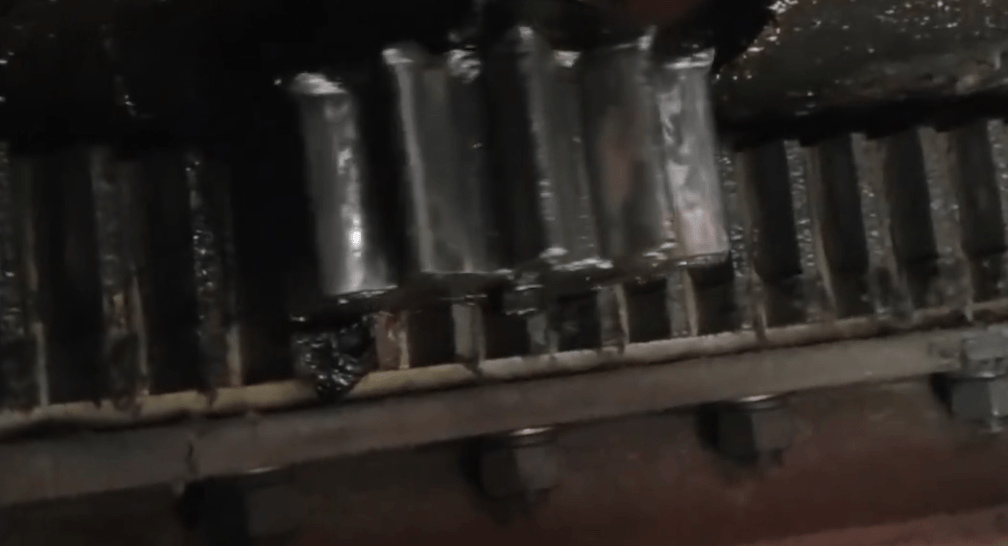
Dust seals act as the first barrier against mud and moisture, which must be checked before every shift.
Key inspection points: check whether inner and outer rubber seals crack, fall off or age; observe if grease mixed with mud continuously leaks from turntable joints. Replace damaged seals immediately once found. Never keep working with broken seals, as mud entering raceways will cause permanent abrasion.
2.4 Monitor Abnormal Operating Conditions During Construction
Observe the running state of slewing bearings during operation. Stop the machine for inspection right away if any abnormal conditions occur: abnormal noise during rotation, rotation jamming, excessive shaking clearance, local overheating on turntable surface, tooth surface chipping and abrasion. Minor faults can be fixed easily at early stage, while delayed maintenance may lead to full set turntable replacement.
2.5 Forbid High-pressure Water Direct Flushing on Turntable Area
When cleaning the whole machine, high-pressure water directly sprayed on turntable gaps and gear rings will break dust seals, carrying mud and sand into inner raceways.
Clean mud on turntable surface with brushes and rags first. If water cleaning is necessary, reduce water pressure, flush obliquely from a long distance, and avoid joint gaps and gear rings.
3. Three Common Misoperations on Construction Sites
Misoperation 1: Frequent Grease Injection, Misconception that More Grease Means Better Protection
This is the most widespread wrong operation on construction sites. Excess grease has no space to discharge, which breaks rubber seals. Overflow grease sticks with sand and stones, forming abrasive medium inside raceways and accelerating steel component wear. Besides, redundant grease pollutes machine body and construction ground and increases cleaning workload. Always inject grease quantitatively as per official maintenance cycle.
Misoperation 2: Ignore Torque Recheck of Slewing Bearing Fixing Bolts
Connecting bolts bear torsion and heavy load of the whole machine, which are critical fasteners. After new machine delivery or turntable replacement, re-tighten all bolts after 50 working hours; recheck bolt torque every 200 working hours afterwards. Loose bolts will cause unilateral eccentric wear of turntable, and bolt fracture in severe cases, bringing risks of machine damage and construction safety accidents.
Misoperation 3: Frequent Rotation on Sloped Terrain
When the machine tilts, the whole weight concentrates on single-side raceways and steel balls of the turntable, multiplying local load. Repeated rotation on slopes will create permanent indentations on raceways and aggravate unilateral abrasion of gear rings, drastically shortening turntable service life. Adjust the machine to horizontal ground before rotation during construction, and reduce slewing movements on steep slopes.
4. Daily Equipment Management Rules
Pre-shift inspection: Visually check rubber seals, fixing bolts and turntable joints for leakage, damage and excessive clearance.
Periodic lubrication: Inject grease quantitatively, rotate turntable slowly synchronously to ensure even grease coverage on raceways.
Operation control: Minimize slewing actions on steep slopes; forbid violent rotation under heavy load and impact on rotation limit blocks.
Cleaning rules: Do not flush turntable joints with high-pressure water; clear mud attached on gear rings regularly.
Fault handling: Shut down the machine for maintenance once abnormal noise, excessive clearance or grease leakage appears; never operate the machine with existing faults.
5. Conclusion
Most slewing bearing failures result from non-standard maintenance and improper operation. Strictly follow the five maintenance standards and avoid the three misoperations, which can effectively reduce failures including corrosion, seal failure, gear ring abrasion and bolt fracture. It cuts down replacement and maintenance costs, and guarantees continuous stable construction of engineering machinery.