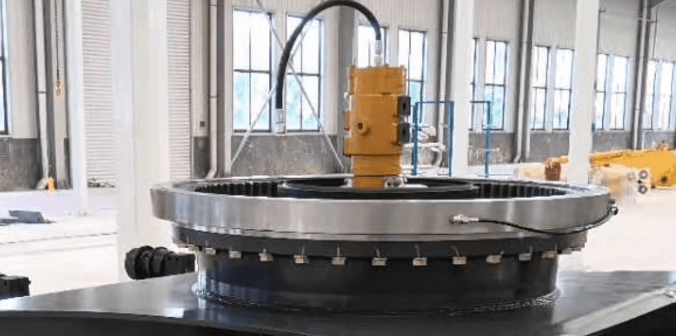
1. Preface
Most premature damage and scrapping of turntables during daily construction are not caused by product quality defects, but long-term improper operation habits of operators. This document sorts out three most frequent misoperations on construction sites, analyzes component damage caused by wrong behaviors, specifies standard operation methods to avoid artificial wear and tear.
2. Three Typical Misoperations, Hazards & Corrective Solutions
Misoperation 1: Frequent Grease Injection, Misconception That More Grease Provides Better Protection
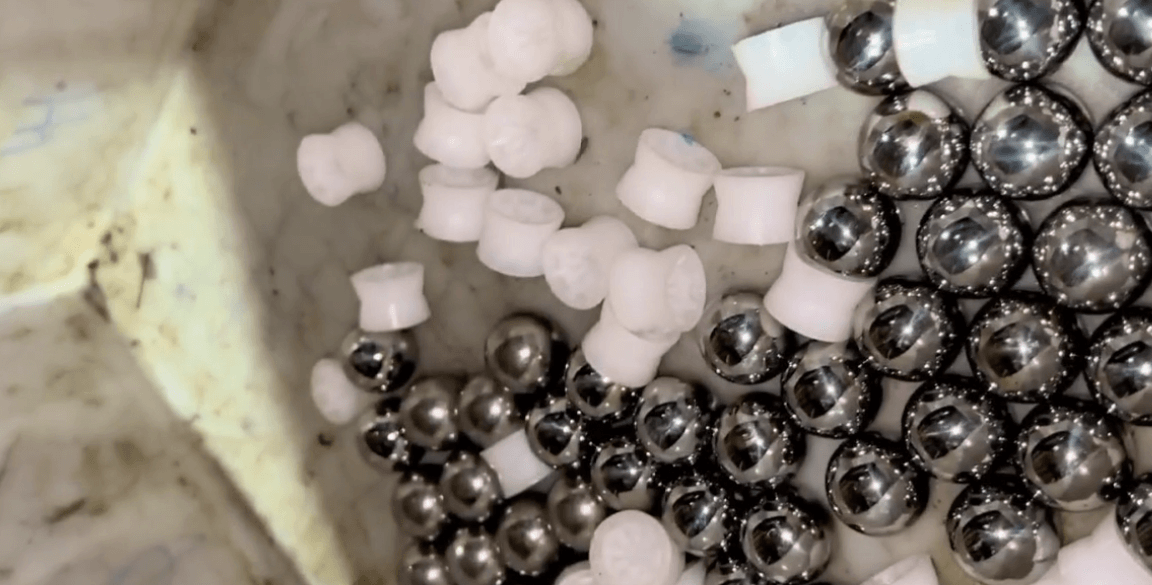
This is the most widespread wrong operation on construction sites. Excess grease has no space to discharge, which directly breaks dust seals. Overflow grease sticks with sand and stones, forming abrasive medium inside raceways and continuously grinding steel balls and race surfaces. Redundant grease also pollutes machine body and construction ground, increasing cleaning workload.
Standard operation: Inject grease quantitatively according to the cycle specified in machine manual, stop filling once new grease flows evenly out of gaps, avoid repeated and excessive refilling.
Misoperation 2: Long-term Neglect of Torque Recheck for Slewing Bearing Bolts
Turntable connecting bolts bear torsion and heavy load of the whole machine, which are core stressed fasteners. After new machine commissioning or turntable replacement, re-tighten all bolts after 50 working hours; recheck bolt torque every 200 working hours afterwards.
Loose bolts will cause unilateral eccentric wear of turntable, and bolt fracture in severe cases, leading to turntable locking, machine tipping and other major safety hazards. Periodic torque recheck is an indispensable safety procedure.
Misoperation 3: Frequent Slewing Movements on Sloped Ground
When the machine tilts, the whole weight concentrates on single-side raceways and steel balls of the turntable, multiplying local bearing load. Repeated rotation on slopes will create permanent indentations on raceways quickly, aggravate unilateral abrasion of gear rings, and drastically shorten the overall service life of turntables.
Standard operation: Adjust the machine to horizontal ground before slewing work; reduce unnecessary rotation during construction on steep slopes to lower pressure wear on single-side raceways.
3. Operation Control Requirements
Lubrication management: Inject grease quantitatively on fixed cycles, abandon the wrong thought that more grease brings longer service life;
Bolt maintenance: Re-tighten all connecting bolts on schedule and keep torque inspection records;
Working condition control: Minimize slewing actions on slopes, forbid violent rotation under heavy load or tilted state;
Training requirement: Explain operation misoperations to operators and standardize daily working habits.
4. Conclusion
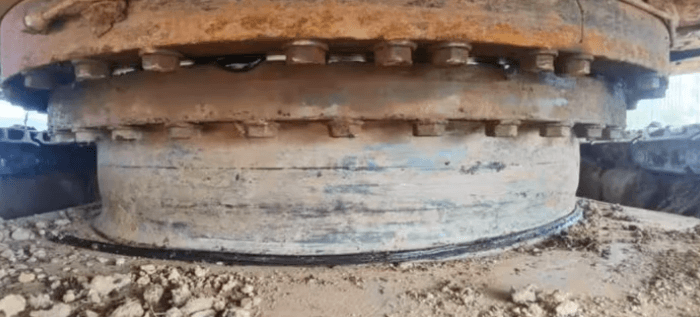
Over 70% of premature slewing bearing damages are caused by the three misoperations above. Correcting wrong operation habits and following standard procedures can effectively reduce artificial component abrasion, cut machine maintenance costs and guarantee construction safety.